
Church Insurance Built Around How Your Church Actually Operates
Insurance and Risk Strategy for Churches
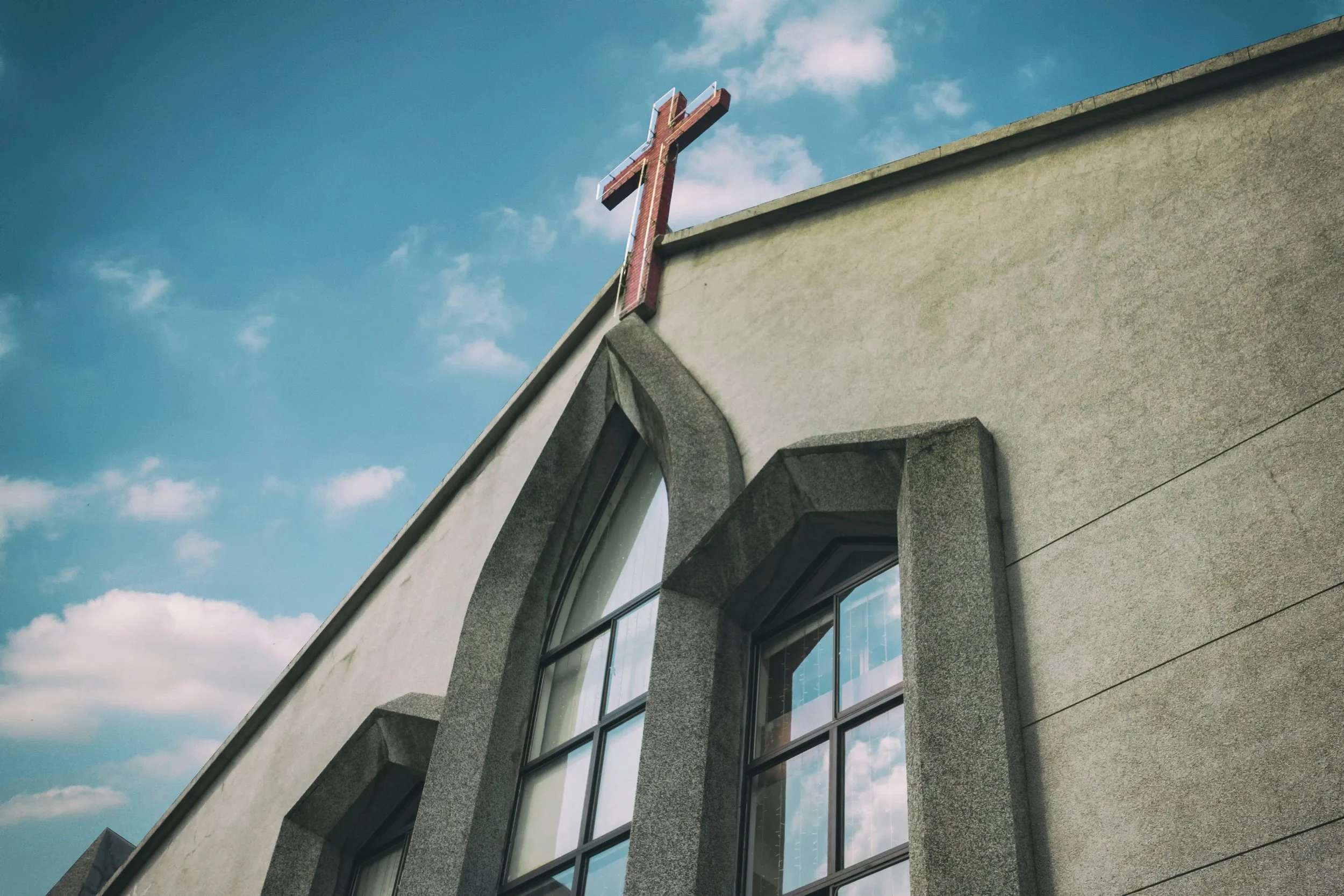
Your Church Is Growing. Your Risks Are Growing Faster.
Every new hire, every additional campus, every expanded program creates new risk. Most church insurance policies were written for a simpler version of your church. We help growing congregations understand where their real exposures are, from governance and staffing to facilities and volunteers, and build insurance programs that actually match.
Why Growing Churches Choose Hale Street
We understand church operations, not just insurance policies
We evaluate governance, staffing, facility, and volunteer risk, not just coverage limits
Independent brokerage. We work for your church, not a carrier
Access to top regional and national church insurance carriers
What Is Church Insurance?
Church insurance is a specialized form of nonprofit insurance designed to protect churches and ministries from risks unique to faith-based organizations. Unlike standard business insurance, church insurance accounts for:
Volunteers instead of traditional employees
Youth and children’s ministries
Pastoral counseling and spiritual guidance
Mission trips and off-site activities
Shared and multi-use facilities
Historic or aging church buildings
A properly designed church insurance program integrates multiple coverages into a coordinated policy structure that minimizes gaps and prevents claim denials.
Most churches pay between $2,500 and $12,000 a year for a complete package. A congregation under 100 members with one building typically lands between $2,500 and $5,000. A church of 300 to 800 members with a fellowship hall, a van, and paid staff usually runs $8,000 to $20,000. The largest single variable is not attendance, it is the replacement cost of your buildings.
Why Churches Need Specialized Insurance Coverage
Many churches unknowingly rely on generic nonprofit or business insurance policies that were not written for ministry operations. The result is often coverage that looks fine on paper but breaks down when a real claim happens, especially around youth activities, volunteer exposures, leadership decisions, and facility use.
Common gaps include:
Exclusions for sexual misconduct or abuse
No coverage for volunteer activities
Inadequate protection for church leadership decisions
Underinsured property values
Missing endorsements for events, rentals, or outreach programs
Core Coverages Every Church Should Consider
A strong church insurance program typically includes several key coverages. The right mix depends on your building, ministries, staffing, and how your facilities are used.
| Coverage | What it protects | Share of a typical premium |
|---|---|---|
| Property | Buildings, contents, sacred objects | 45 to 60 percent |
| General liability | Injury to visitors and guests | 15 to 25 percent |
| Abuse and molestation | Allegations from programs serving minors | 5 to 15 percent |
| Directors and officers | Board decisions and governance disputes | 5 to 10 percent |
| Workers compensation | Injury to paid staff | Rated separately off payroll |
| Commercial auto | Owned vehicles and volunteer drivers | 5 to 15 percent |
| Umbrella | Judgments above the underlying limits | 5 to 10 percent |
Church Property Insurance
Church property insurance protects your buildings and contents from covered losses such as fire, wind, vandalism, and theft. Church buildings often require special attention because they can include sanctuaries, steeples, stained glass, organs, and older construction methods.
Replacement cost valuation
Building and contents coverage
Special features (stained glass, steeples, organs)
Proper valuation to avoid underinsurance
Church General Liability Insurance
General liability insurance covers claims involving bodily injury or property damage arising from church operations. This can include slip-and-fall injuries, accidents during services or events, and incidents involving volunteers acting on behalf of the church.
Premises liability (injuries on church property)
Event-related liability
Volunteer activities (when acting for the church)
Sexual Misconduct & Abuse Coverage
Sexual misconduct and abuse coverage is one of the most important and sensitive parts of church insurance. Policies vary widely, and many insurers require specific safeguards for coverage to apply.
Written abuse prevention policies
Background checks and screening procedures
Training and supervision protocols
If your church has youth programs, children’s ministries, or vulnerable adult outreach, this coverage should be reviewed carefully for limits, exclusions, and defense-cost treatment.
Pastoral Professional Liability
Pastoral professional liability insurance helps protect pastors and ministry leaders from claims tied to counseling, spiritual guidance, and pastoral care. Churches that provide counseling or guidance services should not rely on general liability alone for this exposure.
Directors & Officers (D&O) Insurance
D&O insurance protects church board members and leadership from claims related to governance decisions. This can include allegations involving financial oversight, employment-related disputes, or other leadership actions.
Workers’ Compensation
If your church has employees, workers’ compensation may be required. It covers workplace injuries, medical costs, and lost wages for employees. Volunteer injuries are not the same as employee injuries and should be addressed separately.
Commercial Auto / Hired & Non-Owned Auto
If your church owns vehicles, or if staff and volunteers drive personal vehicles on church business, auto coverage should be reviewed. This is one of the most common sources of uncovered church claims when policies aren’t structured correctly.
Church vehicles, vans and driver liability
What church insurance costs
Pricing follows two things above all else: the replacement cost of your buildings, and whether you run programs serving minors. These ranges assume a package covering property, general liability, and the coverages most churches carry as standard.
| Congregation size | Typical building profile | Annual premium range |
|---|---|---|
| Under 100 | One sanctuary, modest square footage | $2,500 to $5,000 |
| 100 to 300 | Sanctuary plus fellowship hall | $4,500 to $9,000 |
| 300 to 800 | Multiple buildings, vehicles, paid staff | $8,000 to $20,000 |
| 800 to 2,000 | Campus, gym or school, heavy programming | $18,000 to $40,000 |
| Multi site | Two or more locations, one entity | $35,000 and up |
The overlap between rows is real. A 250 member congregation in a historic timber frame building with no sprinklers can cost more than an 800 member church in a modern masonry facility.
What a standard policy usually leaves out
| Gap | Why it matters |
|---|---|
| Abuse limit set as a low sublimit | Often far below the general liability limit, on the exposure most likely to be catastrophic |
| Ordinance or law coverage | Pays to rebuild an older building to current code, frequently absent or token |
| Actual cash value on the roof | Depreciation deducted, so an older roof pays a fraction of replacement |
| Hired and non owned auto | Volunteers driving personal cars for church business leave the church exposed |
| Volunteers not named as insureds | A volunteer sued individually may have no coverage at all |
Not sure which of these gaps are in your policy?
Most boards find out during a claim rather than during a review. Send us your current policy and we will give you a plain list of what is covered, what is sublimited, and what is missing. Request a free church risk assessment or call 978.712.0111.
Go deeper
Compare the main church insurance carriers | Full cost breakdown by size and coverage | Church insurance in Massachusetts | Church umbrella insurance | Church event insurance | Church volunteer coverage | Employment practices liability | Church cyber liability | Governance gaps that affect claims | ADA accessibility requirements | Building code compliance
Frequently Asked Questions About Church Insurance
What type of insurance does a church need?
Churches typically need a custom church insurance program that includes property insurance, general liability, pastoral professional liability, sexual misconduct and abuse coverage, workers’ compensation (if the church has employees), and commercial auto coverage. Church insurance is designed to account for worship services, volunteers, youth programs, counseling, and community outreach activities.
Why is church insurance different from regular business insurance?
Churches face risks that standard commercial business insurance policies are not designed to handle, including volunteer-led operations, youth and children’s ministries, pastoral counseling, mission trips, and shared facility use. Many business policies exclude or limit these exposures, which is why specialized church insurance is necessary.
How much does church insurance cost?
The cost of church insurance depends on factors such as congregation size, property value and age, number of employees and volunteers, programs offered, and prior claims history. The goal is to match coverage to how the church actually operates rather than choosing the cheapest policy available.
Does church insurance cover sexual misconduct and abuse claims?
Church insurance can cover sexual misconduct and abuse claims if the coverage is properly included. Most insurers require written abuse prevention policies, background checks, and training procedures for coverage to apply. Without these safeguards, coverage may be limited or excluded.
Are church volunteers covered by insurance?
In many cases, volunteers are covered under the church’s general liability insurance while acting on behalf of the church. Coverage gaps can occur when volunteers drive personal vehicles, participate in off-site events, or engage in activities that require special endorsements.
Are pastors and church leadership covered by insurance?
Church insurance programs often include pastoral professional liability insurance for counseling-related claims and directors and officers (D&O) insurance for board members and leadership. These cover allegations related to counseling services, leadership decisions, and governance matters.
Can a church be sued even if it is a nonprofit?
Yes. Nonprofit status does not prevent a church from being sued. Churches can face claims related to slip-and-fall accidents, employment disputes, youth programs, counseling services, and leadership decisions.
When should a church review its insurance coverage?
Churches should review their insurance coverage annually and whenever there are major changes such as building renovations, new programs, staff changes, or expanded community use. Regular reviews help ensure coverage keeps pace with church operations.
How does church insurance change as a church grows?
As churches add staff, programs, campuses, and volunteers, their risk profile changes significantly. Coverage that worked for a 100-member church often has major gaps for a 500-member church with multiple programs and facilities. Regular risk reviews ensure your insurance keeps pace with your ministry.
What operational risks should church leadership be aware of beyond insurance?
Church leadership should consider governance structure, employment practices, volunteer screening and training protocols, facility safety compliance, and financial oversight. These operational areas create the exposures that insurance covers, and addressing them proactively reduces both risk and insurance costs.
Request a Church Insurance Review
If you’re unsure whether your current policy truly protects your church, we can help. Hale Street Insurance specializes in insurance for churches and faith-based organizations. We’ll review your current coverage, identify gaps, and help you secure protection designed for ministry operations.